
Does your little one systematically refuse to taste their vegetables, turning every meal into a tug-of-war? 🍽️ Don’t panic, because this behavior linked to the quest for independence or to food neophobia is a classic stage of development. This article helps you understand these blocks and shares 10 tips for difficult mealtimes so you can bring calm back to the table. You’ll discover how to turn these tense moments into playful experiences thanks to imitation and reassuring rituals that naturally stimulate the appetite.
- Understanding why your child won’t eat
- Monitoring health and growth without pressure
- Setting up a calm mealtime environment
- 10 tips to make meals appealing
- Handling blocks and specific behaviors
- Supporting the emotions of parents and child
🍽️ Understanding why your child won’t eat
After an often easy start with purées, the move to lumps and stronger flavors sometimes triggers a block that leaves parents helpless, but which has a scientific explanation.
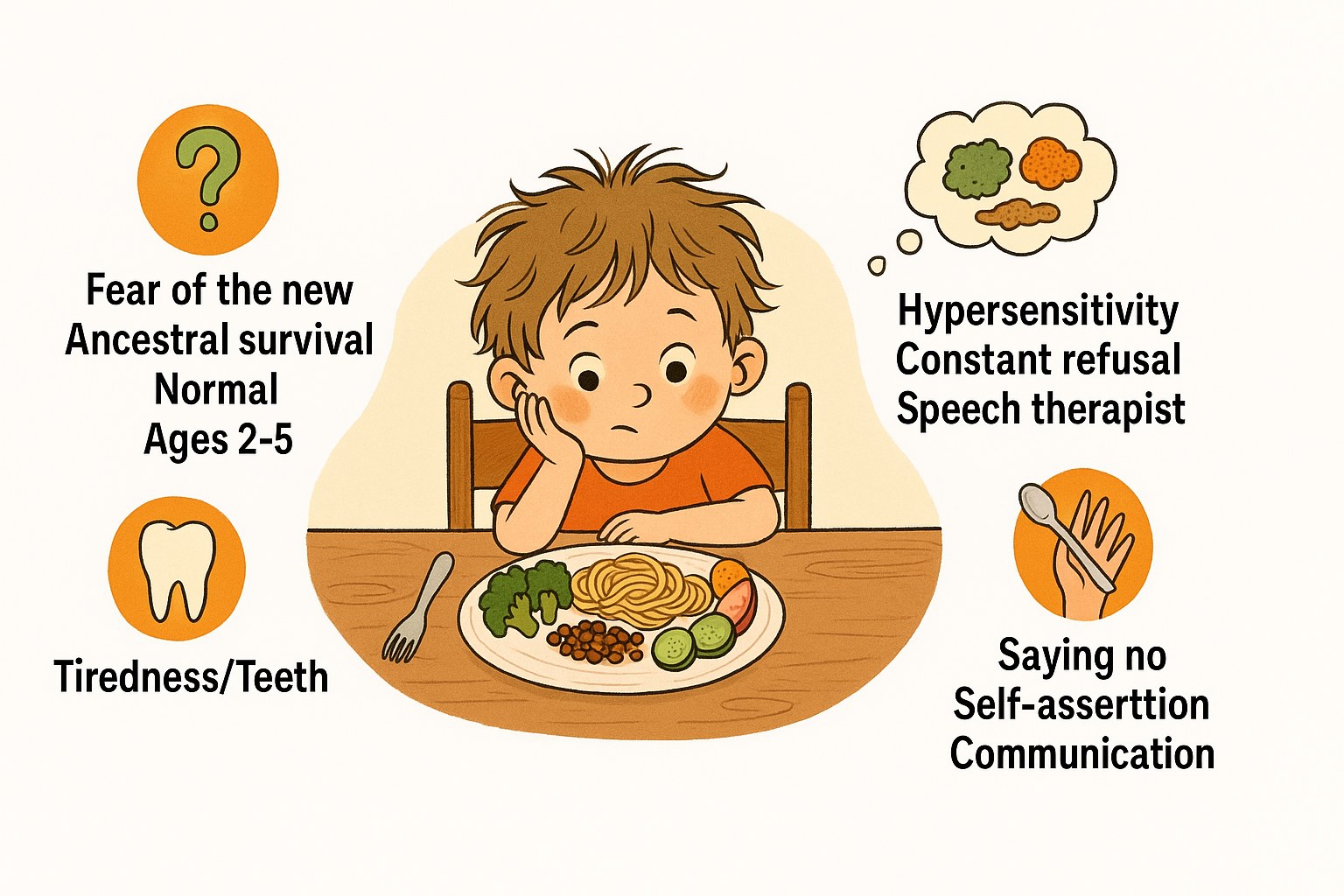
😨 Food neophobia, or the fear of the new
Neophobia is an ancestral survival stage. The child rejects what they don’t know out of a protective reflex. It’s a perfectly normal defensive behavior as they grow.
This phase usually appears between ages 2 and 5. The child often focuses on a single “safe” food, like pasta. Don’t panic over this temporary and natural pickiness.
This behavior fades over time. Patience is your best ally.
🔍 Telling a passing refusal apart from sensory issues
Look at the child’s overall state before worrying. A teething episode or deep tiredness often kills the appetite. Simply observe their general behavior.
There are also oral-sensory disorders. Some children are hypersensitive to grainy textures or strong smells. The meal then becomes a real sensory assault on their senses.
If the refusal is systematic for all textures, an assessment is useful. A specialized speech-language therapist can help you effectively.
🌱 The influence of developing independence
Around age two, the child discovers their power to say no. The meal is the perfect moment to test your reaction. Above all, it’s a necessary quest for self-assertion.
Refusal becomes a powerful means of communication. The more irritation you show, the more the child uses this lever. Stay neutral in the face of their opposition when it’s time to sit down.
It isn’t a tantrum but a stage. Your child is growing up and gently becoming their own person.
📈 Monitoring health and growth without pressure
Now that we better understand the psychological causes of refusal, let’s look at the objective indicators that let you keep a clear mind about their health.
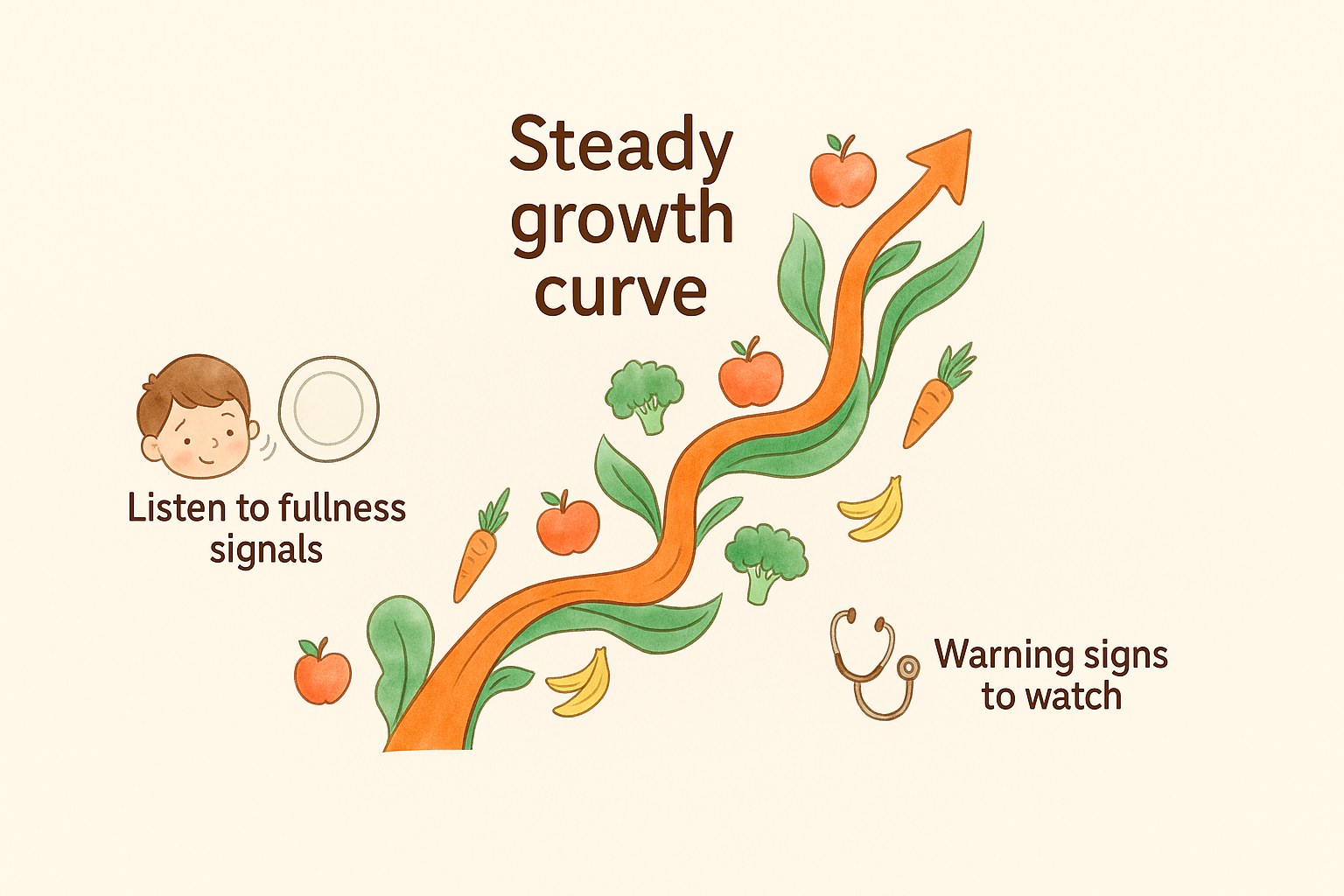
📊 Using the growth curve as a reliable benchmark
The weight and height curve remains the final word. If it climbs steadily, the child is getting enough energy. The amounts eaten matter less than the overall trend. Relax in the face of empty plates.
Note that growth naturally slows after age one. Calorie needs decrease.
It’s best to consult a professional in case of doubt that persists. This monitoring reassures parents.
🛑 Learning to read the signs of fullness
Spot the physical signs that the meal is over. The child turns their head away or firmly pushes the plate back. They know exactly when their stomach is full.
It’s crucial not to force a child to finish their plate if they refuse to eat or eat little, so they learn to listen to their own hunger signals.
Respecting this refusal prevents future eating disorders. Trust their natural instinct.
👨⚕️ Spotting the right moment to see a doctor
Some signals, however, should alert you quickly. A prolonged plateau in weight is a reason to consult. Also watch for an unusual drop in energy.
- Visible weight loss
- Chronic tiredness or apathy
- Total refusal to drink
- Associated digestive issues (pain, vomiting)
Prepare your precise observations for the pediatrician. This will greatly help their diagnosis.
🕯️ Setting up a calm mealtime environment
Once health is ruled out, the focus shifts to the table’s atmosphere, because the setting directly influences your little one’s appetite.
📵 Removing screens to encourage focus
Television or tablets cut the connection with the stomach. The child eats mechanically without tasting. Remove these distractions to get back to the essentials.
Create a calm bubble that invites conversation. Put your own smartphones away too, to set the example. The meal should become a moment of human sharing again.
Without a screen, the child focuses on their sensations. They rediscover the pleasure of chewing and tasting.
⏰ Setting reassuring schedules and rituals
Regularity stabilizes your child’s body clock. Meals at fixed times encourage healthy hunger. Predictability greatly reduces the anxiety of the unknown.
Set up a small transition ritual. Washing hands or setting the table together prepares the mind. The child understands that mealtime is coming.
These habits create a reassuring framework. The child feels more willing to explore their plate calmly.
👨👩👧 Valuing imitation and setting the example at the table
Children learn by watching their parents eat the same healthy foods with pleasure. That’s the whole point of parental imitation when your child won’t eat — there are 10 tips for difficult mealtimes, but example reigns supreme.
Don’t prepare special menus just for them. Eat the same dish as your child to normalize the meal. Show your own enthusiasm as you taste new flavors.
Your enjoyment is contagious. It becomes the engine of their curiosity.
🍱 10 tips to make meals appealing
Beyond the setting, the way you present and prepare food can turn a flat-out refusal into a playful, positive experience.
👨🍳 Involving the child in cooking
Let your child pick a vegetable at the market. This involvement gives them a sense of control. They’ll be more willing to taste their own choice.
Give them simple kitchen tasks. Stirring the batter or washing the herbs boosts their pride. A dish they helped prepare always seems better.
It’s an excellent way to get the child involved in cooking. They become the star of their own meal.
🎨 Working on presentation and textures
Play with shapes to make the plate appealing. Use cookie cutters for vegetables or bread. A fun presentation often disarms the initial wariness.
Vary the textures for the same food. A child may hate cooked carrots but love crunchy ones. Try them raw, cooked, and mashed.
Color also plays a crucial role. Multiply the bright shades to stir visual interest.
🥄 Offering small portions without forcing
A plate that’s too full can be intimidating for a little stomach. Serve tiny portions, about the size of their fist. It’s more rewarding to finish a small plate than to fail in front of a big one.
Let them serve themselves if possible. This strengthens their independence and their handle on hunger.
Praise every bite they taste. Apply no pressure at all.
🔁 Using repetition and familiar foods
A food sometimes has to be offered ten times before it’s accepted. Don’t get discouraged after the first refusal. Perseverance is the key to success.
Mix something new with an already much-loved ingredient. This flavor “bridge” reassures the child. They explore the unknown while leaning on a sure thing.
Let them touch the food with their hands. Tactile exploration often comes before acceptance in the mouth.
🚫 Handling blocks and specific behaviors
Despite all your good will, specific moments of resistance will come up; here’s how to react without turning the kitchen into a battlefield.
🙅 Reacting when they refuse the dish you made
Never prepare a second, substitute meal. It teaches the child they can order off a menu. Simply offer them the familiar parts of the dish.
Skipping a meal isn’t dangerous for a healthy child. They’ll naturally make up for it at the next meal or snack. Stay calm and firm on this principle.
Remove the plate without a negative comment if the refusal continues. The meal is over, move on to something else.
🏫 Understanding the difference between school and home
At the cafeteria, peer pressure is a powerful engine. The child imitates their classmates and tastes more easily. The group setting imposes a natural discipline.
At home, the child lets go emotionally with you. They express the day’s tensions by pushing back at the table. Paradoxically, it’s a sign of trust in you.
Talk with the daycare staff to align your messages. This consistency will help the child find their footing.
🍪 Managing snacking to protect the appetite
Snacks too close to a meal kill the appetite. Make sure the stomach is truly empty before sitting down. Hunger is still the best seasoning there is.
| Drink/Food | Impact on appetite | Recommended alternative |
|---|---|---|
| Fruit juice | Brings fast sugars that fill them up too quickly. | Still water |
| Sweet cookies | Creates a blood-sugar spike and kills hunger. | Fresh fruit |
| Large amounts of milk | Fills the stomach because of its nutritional density. | A small glass of water |
| Water | Hydrates without adding calories or fullness. | Water (the ideal choice) |
Limit sugary drinks between meals. Favor water for healthy hydration.
💞 Supporting the emotions of parents and child
Finally, let’s not forget that a meal is above all a human interaction where managing emotions matters as much as what’s on the plate.
⚠️ Avoiding the trap of bribery and reward
Using dessert as a reward is a common mistake. It gives sugar a higher value than vegetables. Food should never be a bargaining chip.
Also avoid punishments tied to food refusal. This creates lasting negative associations with the act of eating. Prefer sincere, warm verbal encouragement.
Value the effort of tasting rather than the amount swallowed. Positive reinforcement works far better.
😌 Lowering parental stress during the meal
Your anxiety is a sponge for your child. If they sense you’re tense, they’ll dig in their heels more. Take a few deep breaths before you sit down.
Turn the meal into a moment of light play. Share your day or make up stories about the food. The goal is to lower the atmospheric pressure around the table.
A calm parent makes for a soothed child. Calm is contagious, so make the most of it.
🗣️ Keeping smooth communication with other caregivers
Consistency between the different places of care is essential. Explain your approach to the grandparents or the nanny. Contradictory messages needlessly confuse the child.
- Don’t force
- No dessert bribery
- Offer but don’t impose
- Value discovery
Share these basic rules simply. A united front among adults deeply reassures the child.
By betting on patience, playfulness, and a calm, screen-free setting, you’ll quickly turn this tension into moments of closeness. Trust the appetite of your little budding foodie to bring peace back to the table. Your kindness is the key to soothing a child who won’t eat.
❓ FAQ
🥦 Why does my child suddenly refuse to taste new foods?
This is what’s known as food neophobia. Around age 2, many children enter a “no” phase and become wary of what they don’t know. It’s a perfectly normal ancestral protective reflex that can last a few years.
No panic, your little one isn’t trying to drive you up the wall! They simply need reassurance. Offer them new foods without pressure, sometimes more than ten times, until they become familiar and reassuring.
📏 How do I know if my child eats enough for their growth?
The best indicator is their weight and height curve in their health record. If it climbs steadily and your child is active and energetic, then they’re getting the energy they need. Calorie needs naturally slow down after the first year anyway.
Trust their instinct. A child knows how to listen to their hunger and fullness signals. If they refuse to finish their plate, it’s probably because their little stomach is full. What matters is the overall trend of their growth rather than the exact amount swallowed at each meal.
😊 What simple tips help make meals more cheerful?
Involvement is the key! Take your child to the market and let them choose a vegetable. In the kitchen, give them small tasks like washing the herbs or stirring the batter. We’re always prouder to taste a dish we helped prepare, aren’t we?
You can also play with presentation. Use cookie cutters to create fun shapes or offer varied textures (raw, cooked, mashed). Serve very small portions so as not to intimidate them, and above all, set the example by eating the same thing.
🏥 When should I worry and see a health professional?
It’s advisable to make an appointment if you notice a prolonged plateau or weight loss. Unusual tiredness, a total refusal to drink, or digestive issues like vomiting are also signs that should alert you.
If the food refusal comes with hypersensitivity to textures (like a disgust for sand or tooth-brushing) or systematic gagging, it may be an oral-sensory disorder. An assessment with a specialized speech-language therapist can then offer you valuable help.
🤷 How should I react when my child refuses the dish I made?
Stay relaxed and avoid preparing a substitute “à la carte” menu. If the child refuses the main dish, offer them the parts of the plate they already know. If they eat almost nothing, it’s not a big deal: they’ll make up for it at the next meal.
The idea is to keep a firm but kind framework. The meal should stay a moment of sharing, not a negotiating ground. By removing the plate without a negative comment, you defuse the conflict and show that food isn’t a bargaining lever.
